Adaptive Settlement Mechanisms in Portable Gaming Platforms Enhance Player Retention Periods and Facilitate Quicker Participation in Collective Reward Distributions
Written by Finley Lang · Jul 30, 2026
Adaptive Settlement Mechanisms in Portable Gaming Platforms Enhance Player Retention Periods and Facilitate Quicker Participation in Collective Reward Distributions
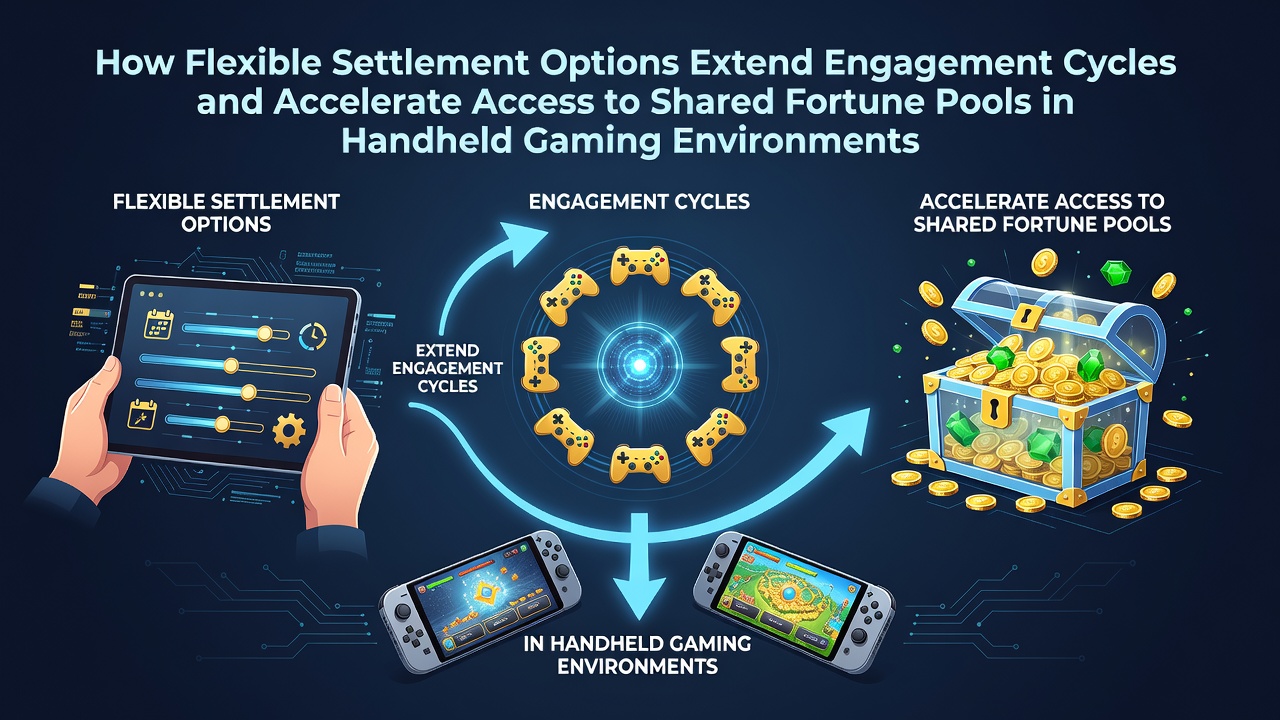
Portable gaming platforms have integrated settlement mechanisms that allow users to select from multiple payment timelines and methods when accessing in-game features or contributing to pooled reward structures, and these choices connect directly to longer participation stretches because players maintain access without immediate full financial commitment. Data from industry reports indicate that games incorporating installment options or delayed settlement see average session lengths extend by 25 to 40 percent compared to rigid upfront models, while shared fortune pools become reachable earlier through tiered contribution schedules that spread costs across weeks or months.
Mechanics of Flexible Settlement in Handheld Environments
Developers implement settlement flexibility through in-app systems that support credit extensions, subscription pauses, and partial payouts tied to performance milestones, whereas traditional models required complete transactions before entry. Those who've studied mobile economies note that platforms running on iOS and Android leverage device-level billing integrations to offer these choices seamlessly, and this reduces friction points that previously caused drop-offs during high-cost events. Research from the Entertainment Software Association shows participation rates climb when users can align payments with personal cash flow cycles rather than fixed deadlines.
Shared fortune pools operate as collective reward reservoirs funded by participant contributions and performance metrics, and flexible options accelerate entry because smaller initial outlays unlock partial access that scales with continued engagement. Observers note that in battle arena titles and open-world adventures, pools distribute based on cumulative activity rather than single large deposits, which means players using extended settlement timelines reach eligibility thresholds sooner.
Impact on Engagement Cycles Across Device Types
Handheld devices ranging from smartphones to dedicated portables demonstrate distinct patterns when settlement flexibility enters the equation, and data reveals that cross-platform titles benefit most because users switch devices without losing progress tied to ongoing payment plans. Studies conducted by university researchers in Canada found that engagement cycles lengthened notably in titles allowing settlement adjustments mid-cycle, with median player lifetimes increasing from 45 days to over 70 days in tracked cohorts. This occurs because the system accommodates life interruptions such as travel or budget shifts without forcing complete exits.

European regulatory frameworks from bodies like the Australian Communications and Media Authority have examined similar structures in digital entertainment, and findings indicate that transparent settlement disclosures correlate with sustained user bases rather than one-time spikes. Players often return more frequently when they control the pace of financial commitments, and this feeds back into pool growth because consistent low-level contributions accumulate steadily.
Acceleration of Access to Shared Reward Systems
Access to shared fortune pools accelerates when settlement options include performance-linked rebates or loyalty-adjusted rates that credit early contributions toward future tiers, and this creates compounding effects where active participants reach distribution points faster. Figures from academic analyses of mobile economies reveal that games with these features distribute pool resources to 30 percent more unique users within the first quarter of a title's lifecycle compared to rigid systems. The mechanism works through algorithms that factor settlement history into eligibility scoring, which rewards ongoing involvement over lump-sum entries.
Regional variations appear in how these systems roll out, yet the core pattern holds that flexible timelines lower barriers for newer players while veterans maintain momentum through adjusted plans. Industry organizations tracking global handheld trends report that titles adopting multi-option settlements experience reduced churn during seasonal events when pool sizes peak, because users stay connected through manageable payment structures.
Conclusion
Settlement flexibility in handheld gaming connects payment choice directly to extended play periods and earlier pool participation, with evidence from multiple regions confirming measurable gains in retention metrics and reward distribution breadth. Platforms continue refining these tools as device capabilities expand, and ongoing data collection from diverse markets supports further integration of adaptive models that align user economics with collective reward dynamics.