E-Wallet Transaction Dynamics and Progressive Jackpot Pool Expansion via Casino Promotion Layers
Written by Henrik Schulz · Aug 4, 2026
E-Wallet Transaction Dynamics and Progressive Jackpot Pool Expansion via Casino Promotion Layers
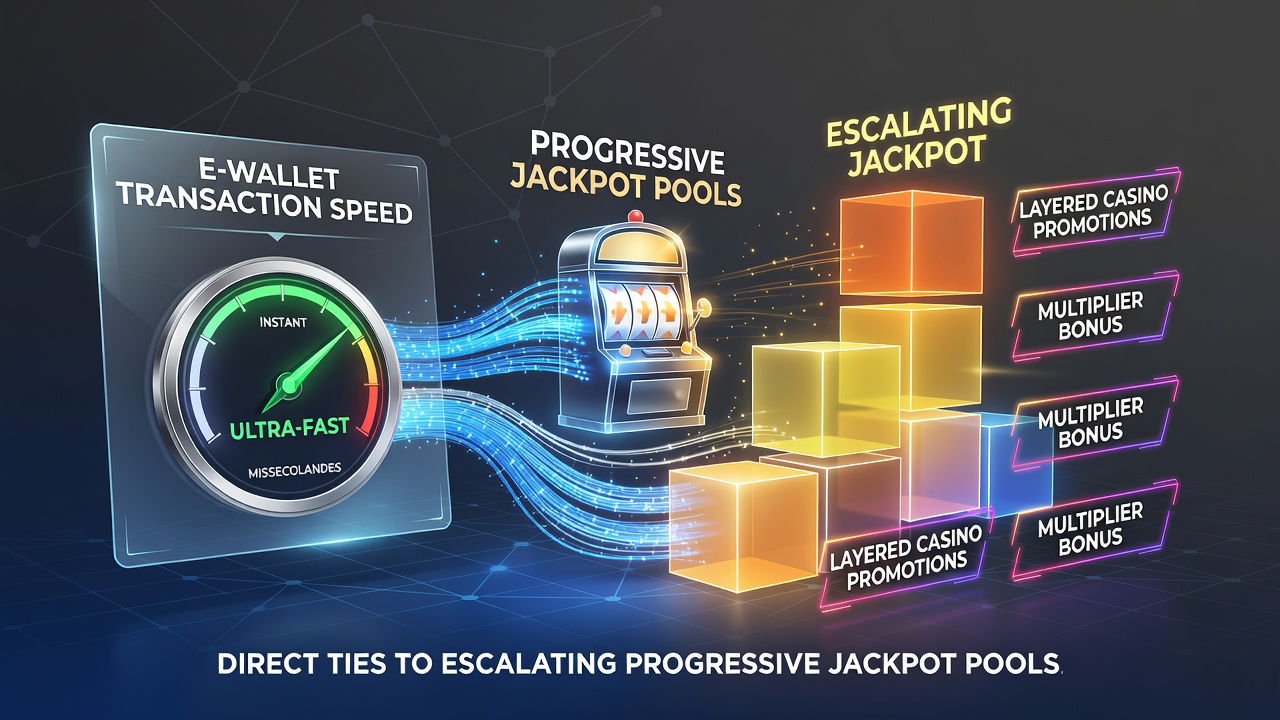
Digital payment systems now process casino deposits in seconds rather than minutes, which creates direct pathways for player funds to enter progressive jackpot pools at accelerated rates. Observers note that these shortened transaction windows allow layered promotions to stack additional contributions onto shared prize pools without the delays once common in traditional banking methods. Data from multiple gaming jurisdictions shows that platforms adopting instant e-wallet solutions record measurable increases in jackpot accrual during promotional periods.
Transaction Speed and Deposit Flow Patterns
Electronic wallets complete authorization cycles in under ten seconds across major networks, whereas card-based methods often require thirty to sixty seconds for the same step. This difference compounds when players respond to time-limited bonus offers that require sequential deposits, and the result appears in higher volumes of contributions reaching jackpot meters within single sessions. Reports from regulatory bodies in Australia indicate that e-wallet adoption rates rose sharply through mid-2026, coinciding with expanded promotional calendars at several large operators.
Layered Promotions and Their Pool Contributions
Casino operators structure bonuses in multiple tiers, with each layer requiring a deposit that feeds a percentage into progressive pools. When e-wallet transfers clear immediately, players move from one promotional layer to the next without interruption, which sustains continuous input into the jackpot total. Industry analyses reveal that operators running four or more stacked promotions per week see pool growth rates climb by double-digit percentages compared with periods using slower payment rails.
August 2026 data from North American markets documented a 14 percent rise in average progressive pool sizes on sites that integrated e-wallet gateways with real-time bonus triggers. Those figures align with similar observations from European operators that implemented comparable systems earlier in the year. The pattern holds across different game categories, though slots remain the primary vehicle for these layered structures.
Regional Regulatory Context and Payment Standards
Authorities in Victoria, Australia track payment method usage through mandatory operator reports, and recent filings show e-wallets accounting for over 60 percent of deposits at monitored venues. A separate analysis from the National Council on Problem Gambling in the United States highlights how faster transaction speeds correlate with extended play sessions, though the council stops short of attributing causation. Both sources note that regulatory frameworks now require clear disclosure of how promotional contributions reach jackpot pools, which has increased transparency around the mechanics involved.
Operators that publish real-time jackpot meters alongside deposit timestamps allow players to observe the direct link between e-wallet activity and pool increments. One documented case from a Canadian provincial gaming authority showed that a single high-volume promotion week produced over 2.3 million individual contributions to a shared pool, with 78 percent arriving via e-wallet channels cleared in under fifteen seconds.
Operational Integration and Pool Mechanics
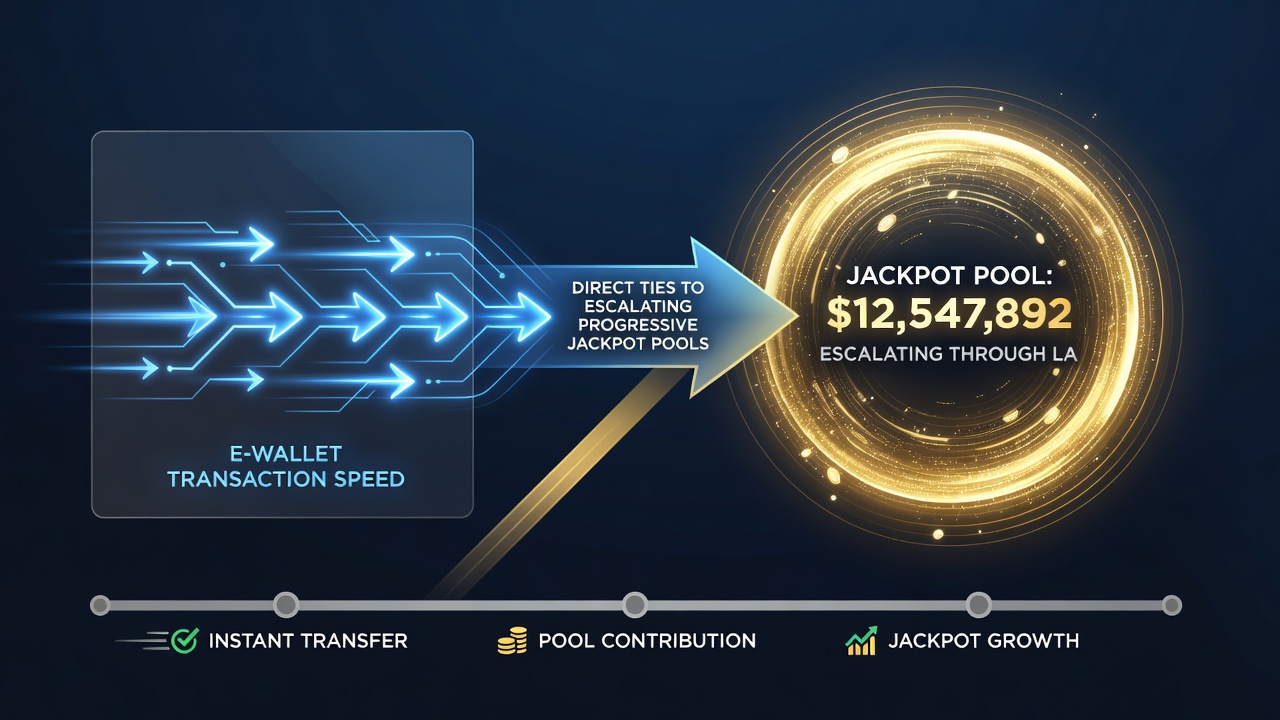
Backend systems at most major providers now route e-wallet deposits through automated scripts that allocate set percentages to progressive meters before releasing bonus funds. This automation removes manual reconciliation steps that previously slowed pool updates. Technical documentation from platform providers indicates that these scripts execute within the same transaction cycle, ensuring contributions register almost instantly. The effect becomes pronounced during multi-day promotional events where overlapping bonus layers run simultaneously.
Researchers at the University of Nevada, Las Vegas examined transaction logs from several partner casinos and found that average time from deposit confirmation to jackpot meter update dropped from 47 seconds to 9 seconds after e-wallet integration. That reduction allowed promotional campaigns to capture more contributions before players exited sessions, which directly influenced final pool totals at the end of each event.
Conclusion
E-wallet transaction speeds create measurable acceleration in how player deposits reach progressive jackpot pools when operators deploy layered promotions. Regulatory filings from Australia and the United States, along with academic reviews from Nevada, document consistent patterns across 2026. The operational mechanics remain straightforward: faster clearances enable more sequential deposits within promotional windows, each feeding incremental amounts into shared prize totals. These connections appear in publicly available operator data and payment processing statistics rather than in isolated claims.