Interweaving Casino Experiences: Table Games, Progressive Slots, Instant Funding, and VIP Frameworks
Written by Finley Lang · May 31, 2026
Interweaving Casino Experiences: Table Games, Progressive Slots, Instant Funding, and VIP Frameworks
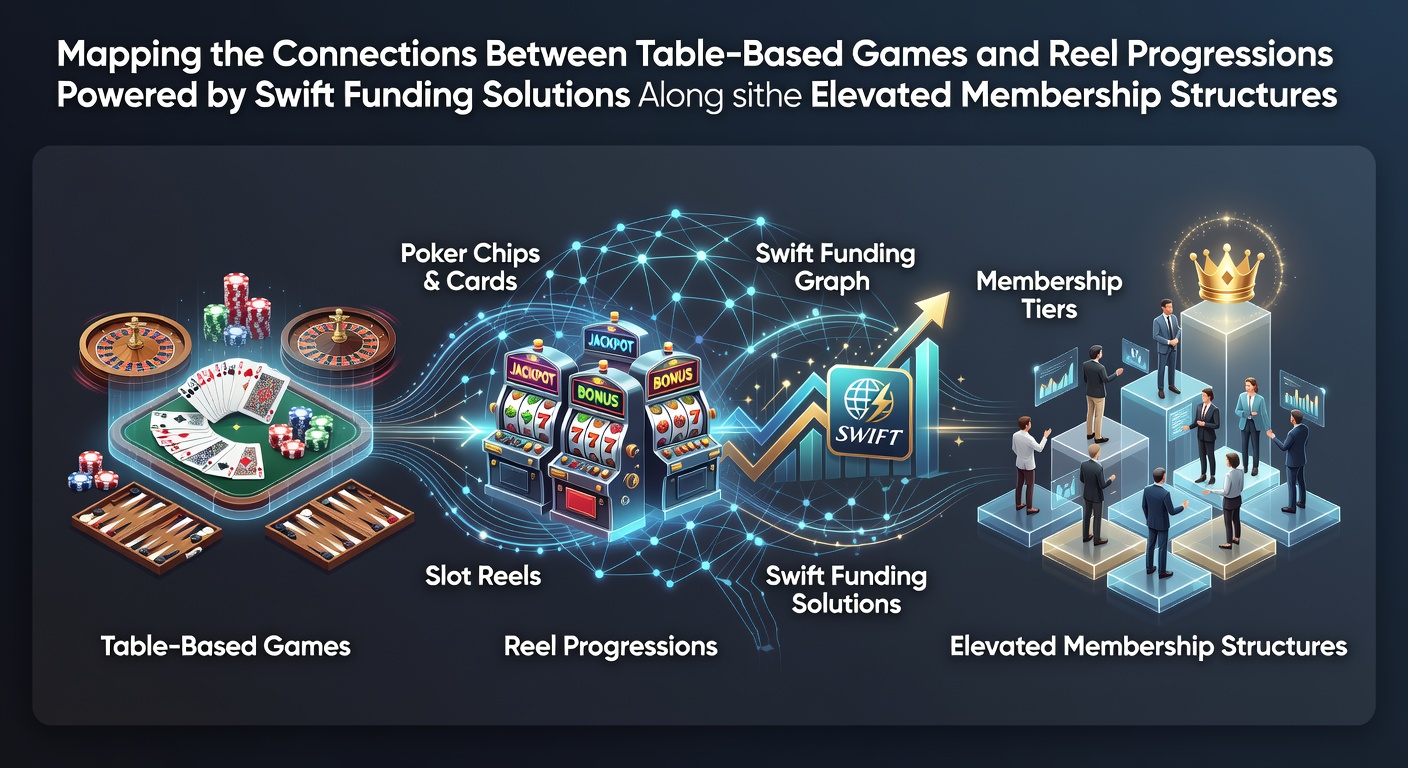
Table-based games such as blackjack and roulette have long formed core elements of casino environments while reel progressions in slot machines build cumulative jackpots across networks of players. Data from regulatory bodies like the Nevada Gaming Control Board indicates steady integration patterns where player activity in one format feeds into the other through shared account systems. Swift funding solutions enable seamless transfers between game types and elevated membership structures provide layered incentives that track overall engagement across both categories.
Player Pathways Across Game Formats
Observers note that many participants begin with table games to develop familiarity with betting mechanics before shifting toward progressive slots where jackpot pools grow with each contribution. Records from industry reports show that loyalty programs often log cumulative playtime and wager volumes regardless of whether activity occurs at physical or virtual tables or on spinning reels. These systems create unified profiles that reward consistent participation and allow points earned from one area to unlock benefits in another.
Payment infrastructure plays a central role here since instant deposit options reduce friction during transitions. Players can move funds from table sessions directly into slot accounts without delays that might interrupt momentum. Research from the University of Nevada Reno gaming studies highlights how such connectivity increases session duration across multiple game categories within single visits or online sessions.
Technical Links Between Tables and Reels
Modern platforms use backend software that synchronizes progressive meters with broader player databases originally developed for table management. When a player places bets at a live dealer table the system registers contributions that can influence eligibility for reel-based jackpots through cross-promotional mechanics. Elevated membership tiers amplify these effects by granting multipliers or priority access once thresholds are met through combined play.
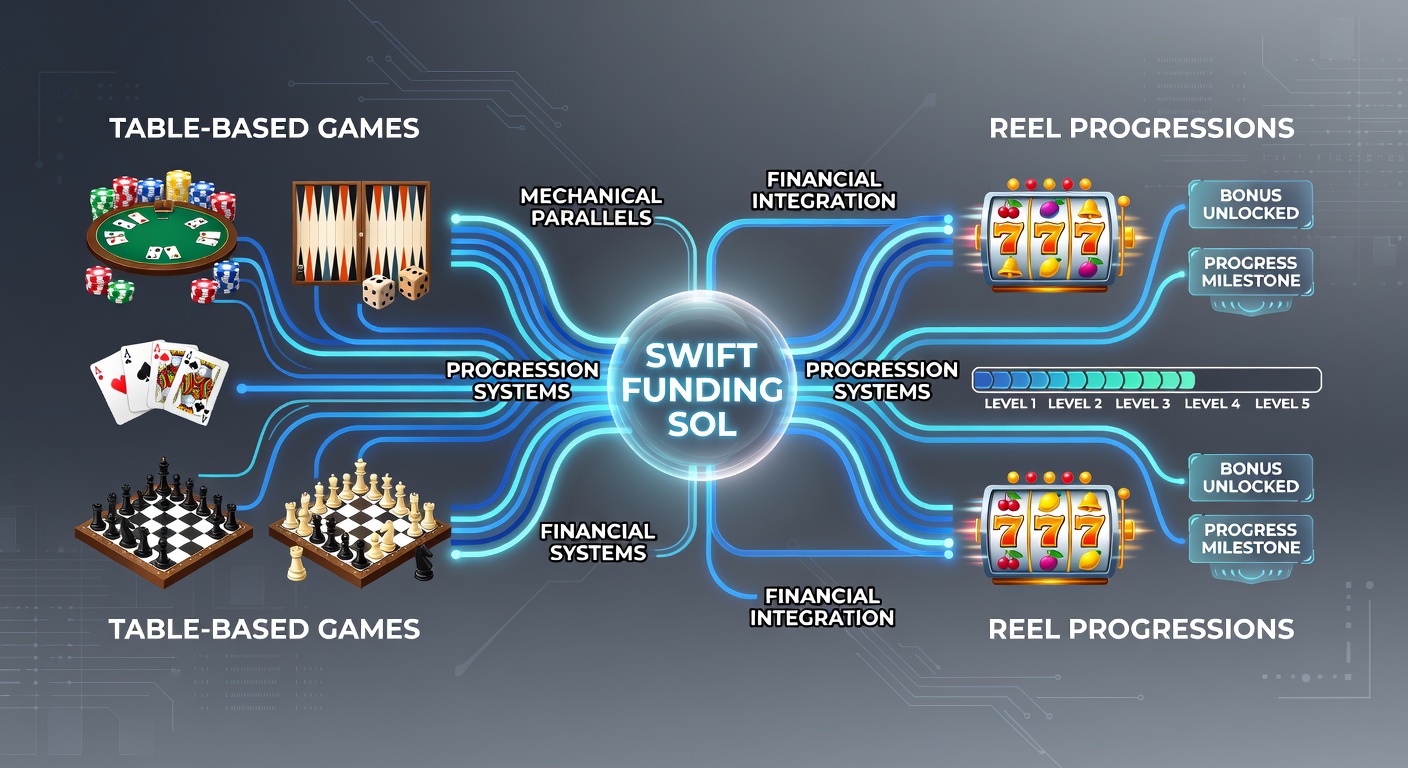
Payment providers specializing in rapid transactions report higher volumes during periods when promotions tie table performance to slot opportunities. According to figures from the European Gaming and Betting Association these integrations appear in multiple jurisdictions where operators must comply with standards for transaction speed and record-keeping. The result creates environments where progress toward higher membership levels feels continuous rather than segmented by game type.
Role of Membership Structures in May 2026 Trends
As operators prepare updates scheduled around May 2026 analysts expect further refinement of tiered systems that incorporate real-time data from both table and reel activity. Existing frameworks already allow members at advanced levels to access customized progressive pools or accelerated funding options that support continued play. Data compiled by the Canadian Gaming Association reveals patterns where such structures correlate with increased cross-format participation without requiring separate enrollment processes.
Swift funding remains essential because delays at any stage can disrupt the accumulation of loyalty metrics. Providers that offer near-instant verification help maintain engagement levels that feed into progressive jackpot contributions from table-derived points. Those who've examined operational logs across multiple sites observe that membership elevation often coincides with spikes in reel activity following table wins converted through integrated wallets.
Regulatory Context and System Standards
Authorities in various regions enforce requirements for transparent tracking of funds and player status across game portfolios. The Australian Communications and Media Authority has documented guidelines that emphasize secure linkages between payment rails and loyalty databases to prevent fragmentation. These standards encourage operators to design interfaces where table results visibly influence slot progression meters for qualifying members.
Industry organizations continue to release reports detailing how elevated structures distribute benefits proportionally to overall activity rather than isolated game performance. This approach aligns funding speed with membership perks so that participants experience unified progression regardless of preferred format.
Conclusion
Connections between table-based games and reel progressions emerge through shared databases instant funding channels and tiered membership programs that treat all activity as part of one trajectory. Evidence from multiple regulatory and academic sources demonstrates consistent implementation across platforms where these elements operate together. As systems evolve around periods such as May 2026 the mapping of these pathways continues to rely on precise transaction handling and unified reward tracking to maintain coherent player experiences.