Payment Innovation Driving New Structures for Accumulative Prizes in Mobile Slot Formats
Written by Devon Bauer · Jul 12, 2026

Payment Innovation Driving New Structures for Accumulative Prizes in Mobile Slot Formats
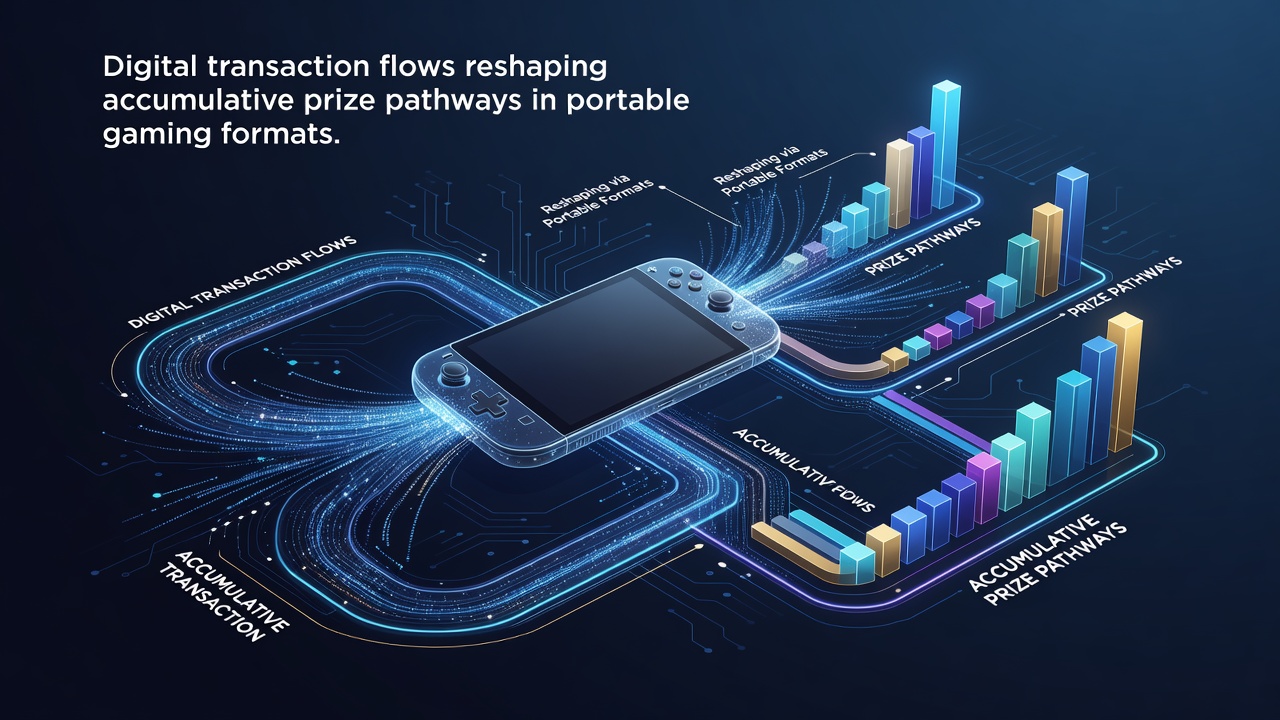
Digital payment systems now feed directly into progressive jackpot mechanisms within mobile gaming platforms, creating faster and more interconnected prize pathways than traditional setups allowed. Players contribute to shared pools through seamless wallet transfers and instant deposits while game servers track every increment in real time across multiple devices and regions. This shift has altered how accumulative prizes build and distribute, especially as portable formats dominate player engagement worldwide.
Transaction Speed and Pool Growth
Earlier jackpot systems relied on batch processing and delayed settlements, yet modern digital flows permit contributions to register within milliseconds of each spin or bet. Data from the American Gaming Association shows mobile transaction volumes rising steadily through 2025, with many platforms reporting contribution rates that accelerate pool growth by factors of three or four compared to desktop predecessors. Operators integrate APIs from payment processors that push funds straight into central prize ledgers, bypassing the lag that once separated player action from jackpot meter movement.
Researchers at the University of Nevada's gaming studies program have documented how these accelerated flows create tighter feedback loops between player activity and visible prize increases. Their analyses indicate that real-time visibility encourages sustained participation because meters update visibly on handheld screens without requiring page refreshes or session restarts. Portable devices therefore function as both access points and live displays for the same accumulating totals.
Cross-Platform Pooling Becomes Standard
Mobile formats enable operators to merge contributions from smartphones, tablets, and connected consoles into single progressive structures that span multiple game titles and jurisdictions. This pooling approach relies on standardized transaction protocols that reconcile currencies and regulatory requirements automatically. Figures from the Australian Communications and Media Authority reveal increased cross-border mobile play volumes in recent quarters, correlating with expanded jackpot networks that draw from diverse player bases simultaneously.
One consequence appears in the way smaller daily contributions accumulate into substantial totals more rapidly than before. Because each transaction carries metadata that routes funds to the correct prize tier, systems can maintain separate mini, major, and mega levels while updating all of them concurrently. Observers note that this layered structure gives players multiple prize pathways within a single session, something land-based terminals struggled to replicate at scale.
Regulatory Adjustments and July 2026 Timeline
Broader regulatory changes scheduled for July 2026 in several markets will require land-based venues to retire non-compliant machines, indirectly influencing how operators allocate resources toward mobile channels. Those channels already operate under digital-first rules that accommodate instant verification of player funds and prize eligibility. Compliance teams now focus on ensuring transaction logs remain auditable across mobile ecosystems, a requirement that aligns naturally with the granular data produced by digital payment rails.
Industry reports from the Canadian Gaming Association highlight parallel developments where mobile platforms must demonstrate transparent prize calculation methods to retain licenses. These demonstrations become simpler when transaction flows are recorded in immutable ledgers that update live, reducing disputes over contribution timing or pool integrity. The same systems support geographic restrictions and age verification without interrupting the player experience.
Security and Verification Layers
Digital transaction pathways incorporate encryption and tokenization that protect both player balances and the integrity of prize pools. Each contribution receives a unique identifier that links it to the originating device and payment method, allowing rapid reconciliation if discrepancies arise. Academic papers from gaming technology conferences describe how these identifiers also enable operators to segment contributions by player tier or region, creating more granular analytics for pool management.
Yet the same speed that benefits prize accumulation introduces new verification demands. Systems must confirm that funds clear before crediting them to jackpots, even when the interval lasts only seconds. Multi-factor authentication and device fingerprinting now operate in the background of most mobile sessions, maintaining security while preserving the fluid feel of portable play.
Future Pathways for Accumulative Prizes
Continued refinement of digital payment infrastructure points toward even tighter integration between player wallets and jackpot ledgers. Emerging standards for instant settlement across borders could further compress the time between contribution and meter update, potentially allowing global pools that adjust dynamically based on real-time participation rates. Those who've examined transaction data patterns observe that mobile formats already capture a disproportionate share of incremental contributions compared with other channels.
Operators continue testing features that let players view historical flow data for specific prize pools, adding transparency without slowing core mechanics. Such visibility tools rely on the same digital rails that move funds, turning every transaction into both a funding event and a record-keeping opportunity.
Conclusion
Digital transaction flows have established new operational realities for accumulative prizes in portable gaming, replacing slower legacy processes with continuous, device-agnostic updates. The infrastructure supporting these flows now underpins everything from pool growth rates to regulatory compliance, while July 2026 machine retirement deadlines in certain markets accelerate the migration toward mobile-centric models. As payment technologies evolve, the pathways connecting player actions to shared prize totals will likely grow more direct and more visible across an expanding range of portable formats.