Payment Security Protocols: Strengthening Mobile Casino Pathways from First Spins to Loyalty Rewards
Written by Paul Sullivan · Jun 14, 2026
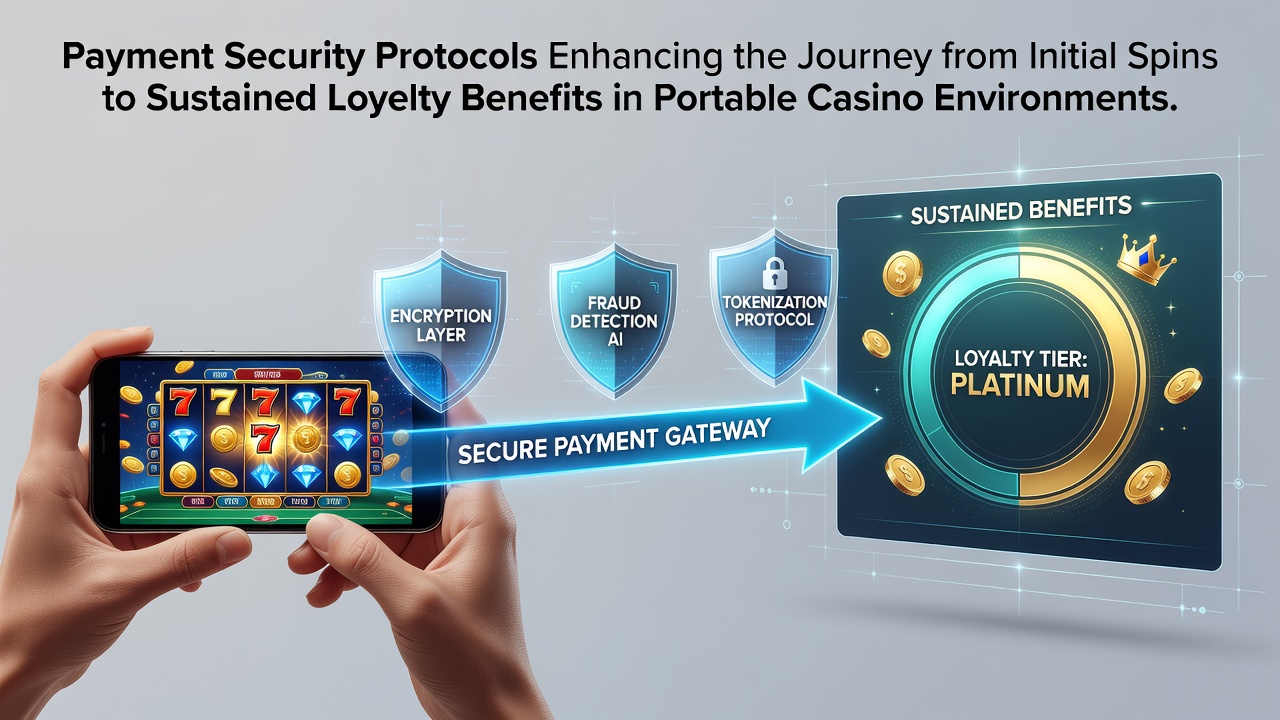
Payment Security Protocols: Strengthening Mobile Casino Pathways from First Spins to Loyalty Rewards
Secure payment frameworks operate at the core of mobile casino operations, where they safeguard every transaction from the moment a player initiates spins on portable devices through to the accumulation of loyalty points and tiered benefits, and data from industry reports shows these systems reduce fraud incidents by up to 40 percent in regulated markets while supporting uninterrupted engagement.
Encryption standards form the foundation during early interactions, as players deposit funds or activate free spin offers, and protocols such as TLS 1.3 combined with tokenization ensure card details never travel in plain text across networks, which allows the process to complete in seconds without exposing sensitive information to interception risks.
Encryption and Tokenization in Early Mobile Transactions
Initial spins often begin with small deposits or promotional credits, yet the underlying security layers verify each step through end-to-end encryption that converts data into unreadable strings before transmission, and this method integrates directly with banking APIs to confirm funds in real time while preventing replay attacks that could disrupt session continuity.
Tokenization replaces actual account numbers with unique identifiers stored only on secure servers, which means portable casino platforms never retain full payment credentials on user devices, and researchers at payment security organizations note this approach cuts breach exposure dramatically because stolen tokens hold no value outside the specific merchant environment.
Multi-Factor Authentication Supporting Sustained Play
After the first deposits clear, authentication protocols shift focus to ongoing verification, where biometric checks or one-time codes link directly to loyalty tracking systems, and these measures confirm player identity during each session without adding friction that might interrupt spin sequences or reward collection.
Behavioral analytics run alongside these checks to flag unusual patterns such as rapid location changes or atypical bet sizes, yet they permit seamless continuation for verified users, and this balance helps maintain momentum from early plays into extended sessions that feed into progressive loyalty ladders.
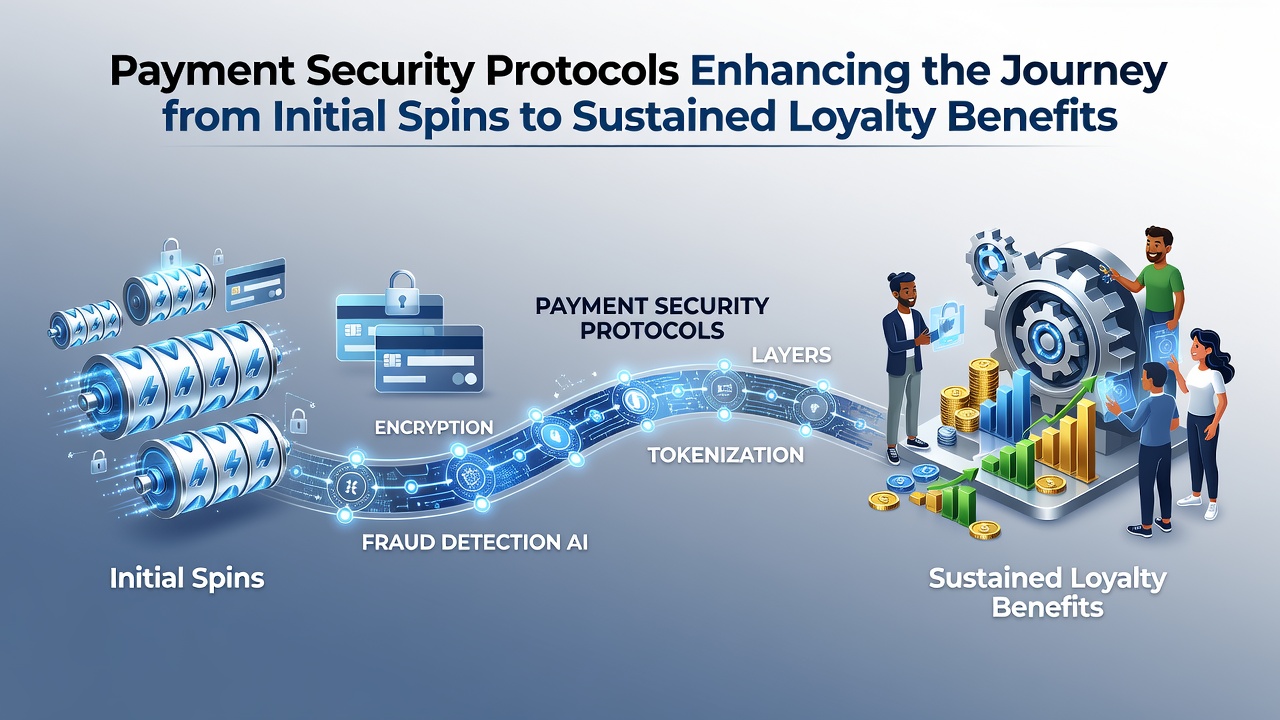
Linking Secure Payments to Loyalty Program Integrity
Loyalty benefits accumulate through tracked play volume and deposit history, which security protocols protect by encrypting all activity logs and cross-referencing them against verified payment sources, and this prevents unauthorized point transfers or inflated reward claims that could undermine program trust.
Payment service providers integrate with casino backends via secure APIs that log every transaction timestamp and amount, allowing loyalty engines to calculate tiers accurately, while data shows platforms employing these integrated systems experience higher retention rates because users receive rewards without delays or disputes over missing credits.
Standards such as those from the Payment Card Industry Security Standards Council require annual audits of these connections, which ensures portable environments meet consistent benchmarks for data handling across regions including North America and Asia-Pacific markets.
Regulatory Alignment Across Jurisdictions
Authorities in multiple regions enforce overlapping requirements for payment security in gambling applications, and frameworks from the Malta Gaming Authority alongside Canadian provincial regulators emphasize real-time monitoring of transaction flows to protect both operators and players during mobile sessions.
These rules extend to June 2026 updates on digital wallet integrations that mandate enhanced verification layers for cross-border transfers, yet they build on existing PCI DSS compliance rather than introducing entirely new barriers, and observers note the continuity supports smoother transitions for users accumulating loyalty benefits over time.
Industry groups such as the European Gaming and Betting Association publish guidelines that align with academic studies on transaction security, and these resources highlight how layered protocols reduce chargeback rates while preserving the flow from initial deposits through to VIP-level redemptions.
Case Examples of Security-Enabled Loyalty Growth
One documented implementation involved a mobile platform that deployed hardware-backed keystores for biometric data alongside tokenized payments, resulting in a 25 percent rise in repeat deposits within six months, and loyalty program participation increased correspondingly because players trusted the system to handle their reward histories accurately.
Another scenario featured integration with regional banking partners that used dynamic CVV generation for each session, which eliminated many common fraud vectors and allowed the casino to offer instant loyalty boosts upon verified deposits, and figures from similar deployments reveal sustained engagement extending well beyond the first month of play.
Conclusion
Payment security protocols create a continuous chain that begins with protected initial spins and extends through verified activity into reliable loyalty structures, and evidence from standards bodies and regulatory sources confirms these measures enable portable casino environments to operate with reduced risk while supporting long-term player progression across multiple sessions and reward tiers.