Secure Networks Streamline Loyalty Advancements in Digital Gaming Environments
Written by Finley Lang · Aug 20, 2026
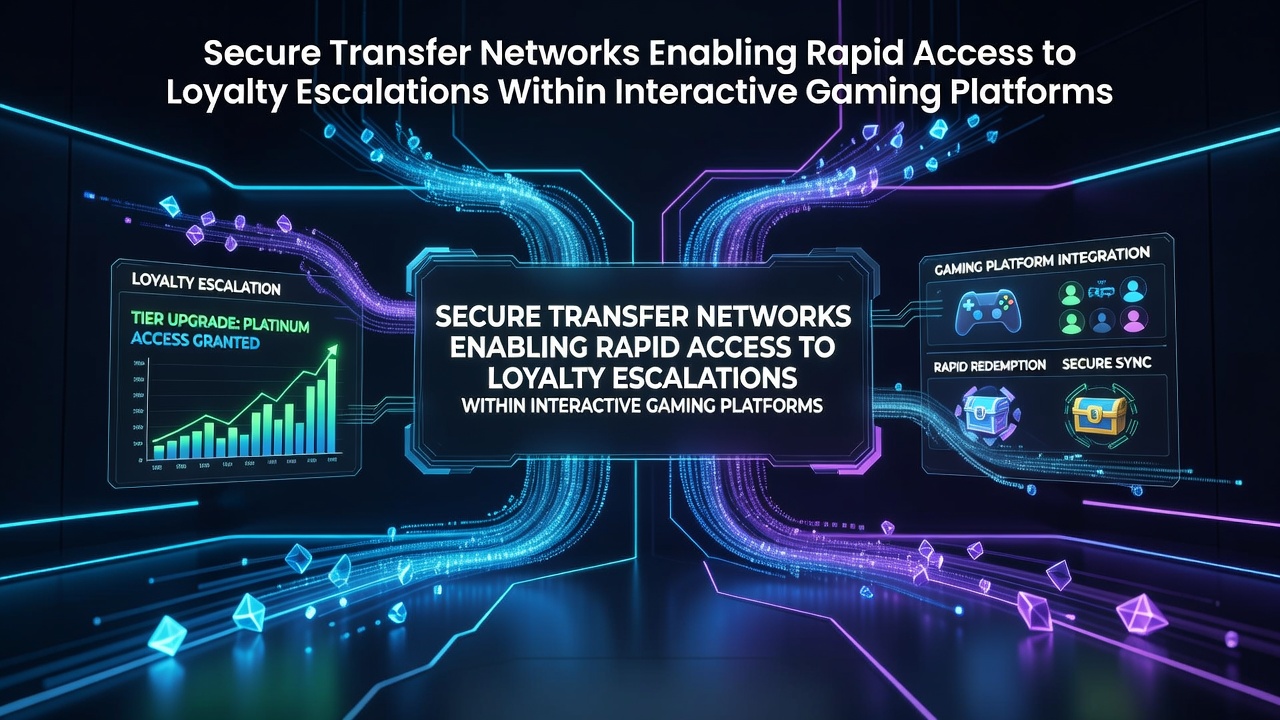
Secure Networks Streamline Loyalty Advancements in Digital Gaming Environments
Understanding Secure Transfer Networks in Gaming
Secure transfer networks consist of encrypted protocols and distributed ledger technologies that move data between gaming servers and user accounts while maintaining integrity and speed, and these systems allow platforms to process loyalty point updates without delays that once plagued older centralized databases. Researchers at institutions like the University of California have documented how such networks reduce latency by routing transactions through multiple verification nodes rather than single points of failure, which means players experience near-instant recognition of achievements that push them into higher loyalty tiers.
Data from industry reports shows that interactive gaming platforms handling millions of concurrent sessions rely on these networks to synchronize rewards across mobile, console, and browser environments simultaneously, and the approach prevents common issues like duplicate entries or lost progress that occurred in less secure setups. Observers note that protocols based on zero-knowledge proofs play a key role here because they confirm transactions without exposing sensitive player details, thereby balancing speed with privacy requirements demanded by modern regulations.
Mechanisms Behind Rapid Loyalty Escalations
These networks operate through layered authentication steps combined with smart contracts that automatically trigger when predefined criteria such as playtime thresholds or in-game milestones are met, and this automation lets loyalty programs escalate users from basic to premium status within seconds instead of hours or days. Experts from organizations including the Entertainment Software Association have highlighted how integration with blockchain elements creates immutable records of every escalation, which reduces disputes and builds trust among participants who track their progress in real time.
What's interesting is the way these systems handle high-volume periods, since they distribute processing loads across global nodes rather than overloading central servers, and this design supports continuous operation even during peak events like seasonal tournaments or new content launches. Figures reveal that average escalation times dropped significantly after widespread adoption of such networks, with some platforms reporting completion rates under five seconds for routine loyalty adjustments.
Implementation Trends Through Mid-2026
By August 2026 several major platforms had rolled out enhanced versions of these networks that incorporate artificial intelligence for predictive scaling, meaning the infrastructure anticipates demand spikes and allocates resources ahead of time to keep loyalty processing fluid. Reports from the Australian Communications and Media Authority indicate that similar frameworks appear in regulatory guidelines across multiple jurisdictions, where emphasis falls on verifiable audit trails that accompany each data transfer tied to player rewards.
Take one case where developers at a European gaming studio connected their loyalty database directly to a secure transfer layer, and the result allowed VIP upgrades to occur automatically once players accumulated required points, eliminating manual reviews that previously created bottlenecks. This integration also supports cross-platform continuity, so achievements earned on a mobile device transfer seamlessly to a desktop session without additional verification delays.
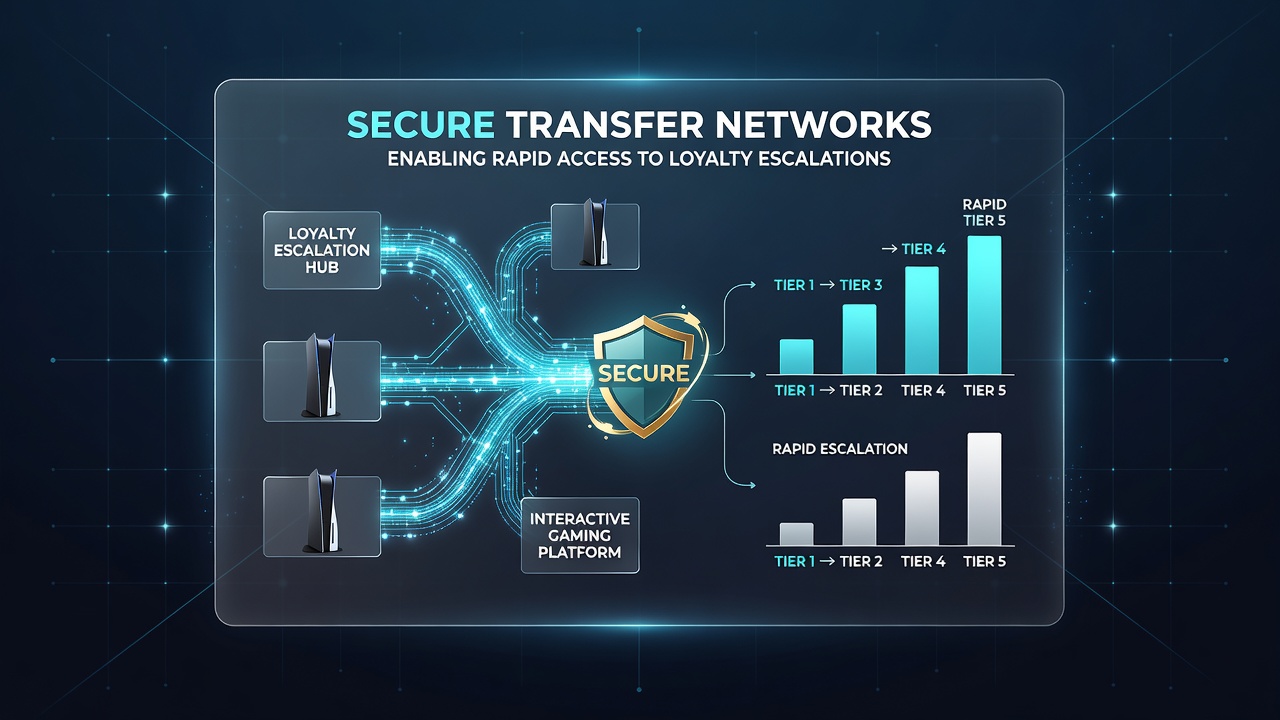
Security Protocols and Data Flow Efficiency
Encryption standards such as AES-256 combined with multi-factor token systems form the backbone of these networks, and they ensure that loyalty data travels through channels resistant to interception while still permitting rapid validation at each hop. Industry analysts point out that the addition of rate-limiting algorithms prevents abuse during escalation events, yet the same measures avoid throttling legitimate high-volume users who accumulate rewards quickly through extended play sessions.
Studies from research papers published by the IEEE Computer Society demonstrate that hybrid models mixing centralized oversight with decentralized verification nodes deliver the best balance of speed and resilience, and platforms adopting this hybrid method have recorded fewer incidents of data inconsistencies compared with legacy systems. Those who've studied the architecture note that API gateways act as controlled entry points, routing loyalty requests through standardized formats that all connected services recognize instantly.
Conclusion
Secure transfer networks continue to reshape how interactive gaming platforms manage loyalty escalations by prioritizing both velocity and protection in data movement, and ongoing refinements through 2026 suggest further reductions in processing times alongside stronger compliance features. Platforms that implement these technologies gain measurable advantages in user retention because players receive immediate feedback on their progress, and this immediacy encourages sustained engagement across diverse gaming formats. The evolution remains driven by technical standards developed through collaboration among regulators, academic researchers, and industry groups worldwide.