Secure Transaction Routes Catalyzing Tiered Privilege Structures Amid Live Dealer and Reel Interactions
Written by Uma Schmitt · Jun 18, 2026

Secure Transaction Routes Catalyzing Tiered Privilege Structures Amid Live Dealer and Reel Interactions
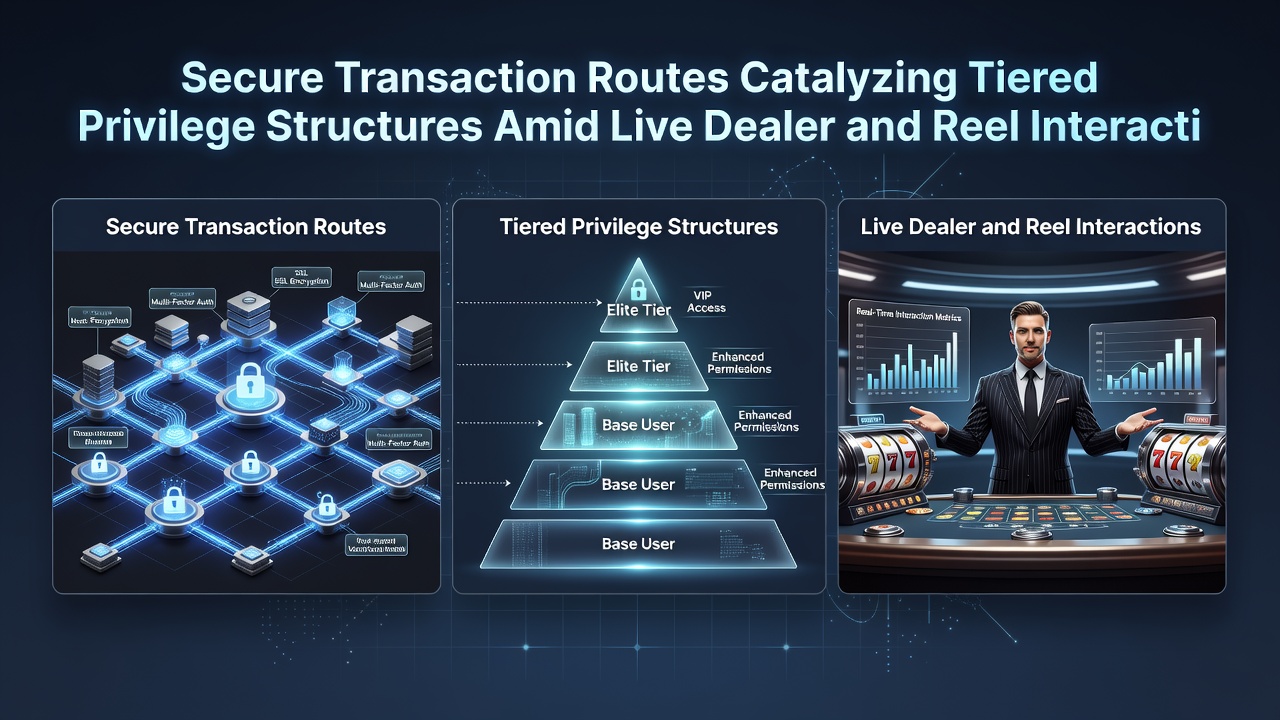
Data from multiple gaming jurisdictions shows that secure transaction routes now serve as foundational infrastructure for tiered privilege structures, particularly where live dealer tables meet reel-based slot systems; payment authentication layers verify user activity in real time, allowing operators to assign escalating reward tiers based on transaction volume, frequency, and security compliance metrics.
Payment processors integrate multi-factor verification protocols that track every deposit and withdrawal, creating auditable trails that feed directly into loyalty algorithms; these algorithms then determine access to higher privilege brackets such as enhanced cashback rates, priority seating at live dealer tables, and exclusive reel features unlocked only for verified high-tier accounts.
Payment Security as the Engine for Privilege Allocation
Observers note that encrypted routing systems reduce fraud exposure while simultaneously generating the behavioral data required for dynamic tier assignments; when a player completes a verified deposit through a certified channel, the system logs the transaction speed, amount, and origin, then cross-references these figures against historical patterns to calculate immediate tier eligibility.
Industry reports indicate that casinos employing such routes report faster progression through loyalty ladders because each authenticated transfer triggers automated privilege reviews; this linkage proves especially relevant in environments blending live dealer streams with reel interactions, where players often switch between table games and slots within single sessions.
Live Dealer and Reel Dynamics Under Tiered Frameworks
Live dealer platforms stream real-time table action while reel engines deliver independent spin sequences, yet both rely on the same underlying transaction backbone to sustain tier momentum; a player maintaining consistent secure deposits can unlock dealer-specific perks such as private game invites at the same moment reel-based multipliers become available through the same tier status.
Research from gaming technology providers reveals that hybrid sessions, where users alternate between live tables and slots, generate denser transaction datasets than single-format play; these denser datasets accelerate tier advancement because algorithms interpret the combined activity as higher engagement value.
Regulatory Context and June 2026 Developments
Authorities in several regions have scheduled updated security standards for payment routing effective around June 2026, requiring operators to demonstrate that transaction pathways can support granular privilege tracking without compromising player data; these standards aim to align security protocols with the growing complexity of tiered systems in mixed live and reel environments.
According to American Gaming Association documentation on responsible gaming infrastructure, jurisdictions adopting these standards expect clearer separation between basic and premium account pathways, which in turn streamlines how privileges are granted across dealer and reel products.
Integration Patterns Across Global Markets
European operators have documented cases where secure e-wallet integrations directly feed into multi-level reward matrices that apply equally to live blackjack tables and themed reel series; similar patterns appear in Australian and Canadian markets, where regulators emphasize transaction transparency as a prerequisite for operating tiered loyalty programs.
Studies compiled by the United Nations Office on Drugs and Crime gaming integrity reports highlight that jurisdictions enforcing robust payment authentication experience measurable increases in documented tier movement, particularly when players engage across both live dealer and slot formats during the same login period.
Conclusion
Secure transaction routes continue to function as the primary catalyst for tiered privilege structures by supplying verified data streams that live dealer and reel systems both require for reward allocation; as June 2026 compliance deadlines approach, operators are adapting routing architectures to maintain seamless privilege progression while meeting elevated security benchmarks across mixed game environments.