Tracking Connected Payment Streams and Loyalty Frameworks Amplifying Progressive Accumulations in Hybrid Casino Settings
Written by Devon Bauer · May 19, 2026
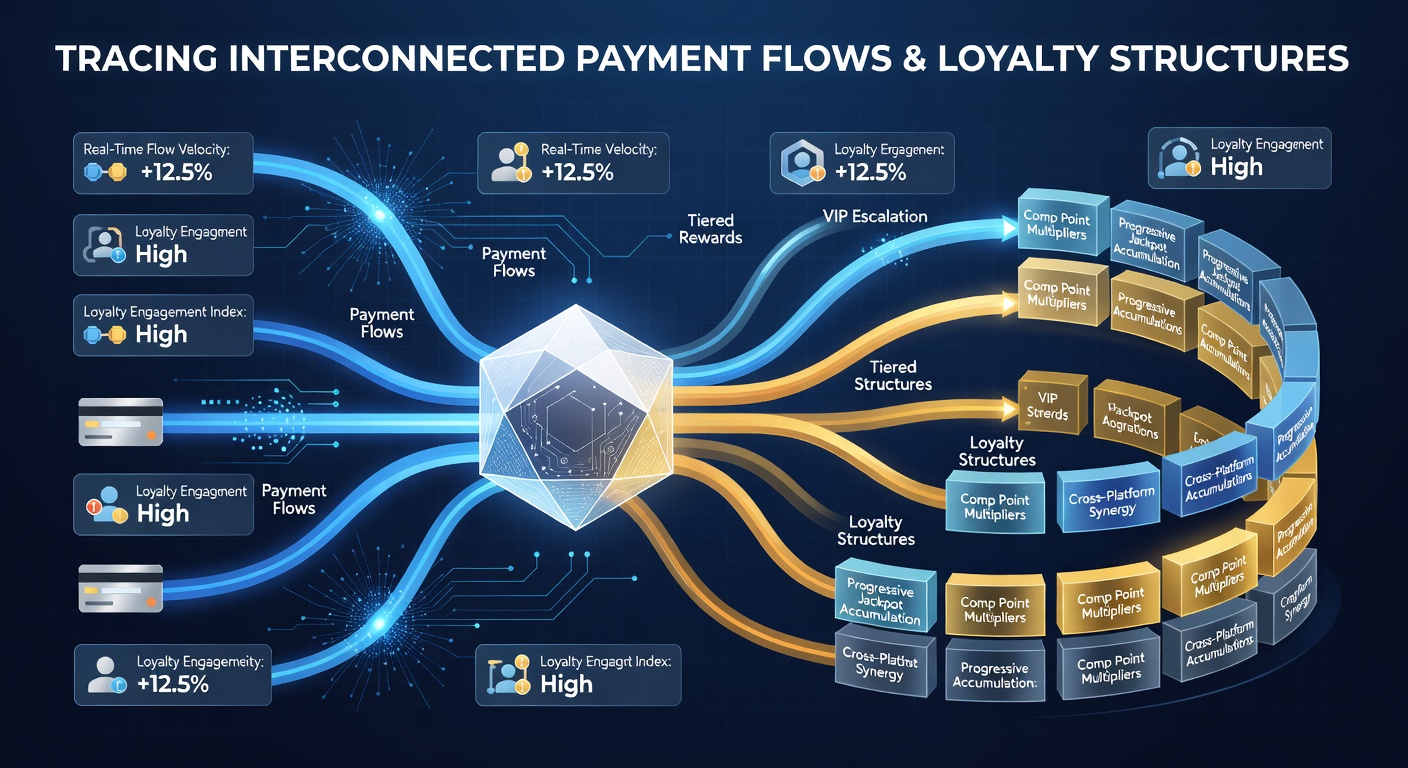
Tracking Connected Payment Streams and Loyalty Frameworks Amplifying Progressive Accumulations in Hybrid Casino Settings
Hybrid casino environments blend online platforms with physical venues through seamless integrations that link mobile apps, live tables, and slot networks into unified ecosystems, and observers note these setups allow payment streams to cross boundaries while loyalty programs track activity across multiple touchpoints. Data from industry reports indicates that such connections create pathways where deposits made on a mobile device can instantly contribute to progressives available both online and on-site, which builds larger prize pools over time. Researchers at various gaming studies centers have documented how these flows operate without interruption, enabling real-time updates that keep accumulations growing steadily.
Mapping Payment Channels Across Platforms
Payment transactions in hybrid settings often route through shared digital wallets and instant transfer systems that connect land-based terminals to remote servers, and this linkage means a single deposit can trigger contributions to multiple progressive meters simultaneously. According to analyses from the American Gaming Association, transaction volumes in these environments have risen notably since early integrations became standard, with figures revealing that cross-platform deposits account for significant portions of progressive funding. But here's the thing, operators use encrypted ledgers to maintain audit trails, which ensures compliance while allowing players to move funds without delays that once fragmented contributions.
Those who've examined system architectures find that loyalty identifiers serve as anchors, tying every transaction to a central profile that accumulates points from both virtual spins and in-person play. These points then unlock multipliers or direct boosts to progressive contributions, turning routine activity into amplified growth for shared jackpots. Studies conducted by academic teams in 2025 showed clear patterns where higher-tier members generate outsized impacts on pool sizes because their elevated deposit volumes feed directly into the mechanisms.
Loyalty Tiers and Their Role in Accumulation
Loyalty frameworks in hybrid casinos typically feature tiered structures where entry-level participation evolves into premium access through consistent engagement, and experts observe that each level adds layers of benefits such as bonus allocations or accelerated point earnings. Research indicates these tiers often sync with payment histories so that frequent transfers or larger amounts accelerate advancement, which in turn grants greater influence over progressive builds. What's interesting is how some programs allocate portions of loyalty redemptions back into the jackpot ecosystems, creating self-reinforcing cycles that data from 2025 tracking periods confirmed as sustainable across multiple operator networks.
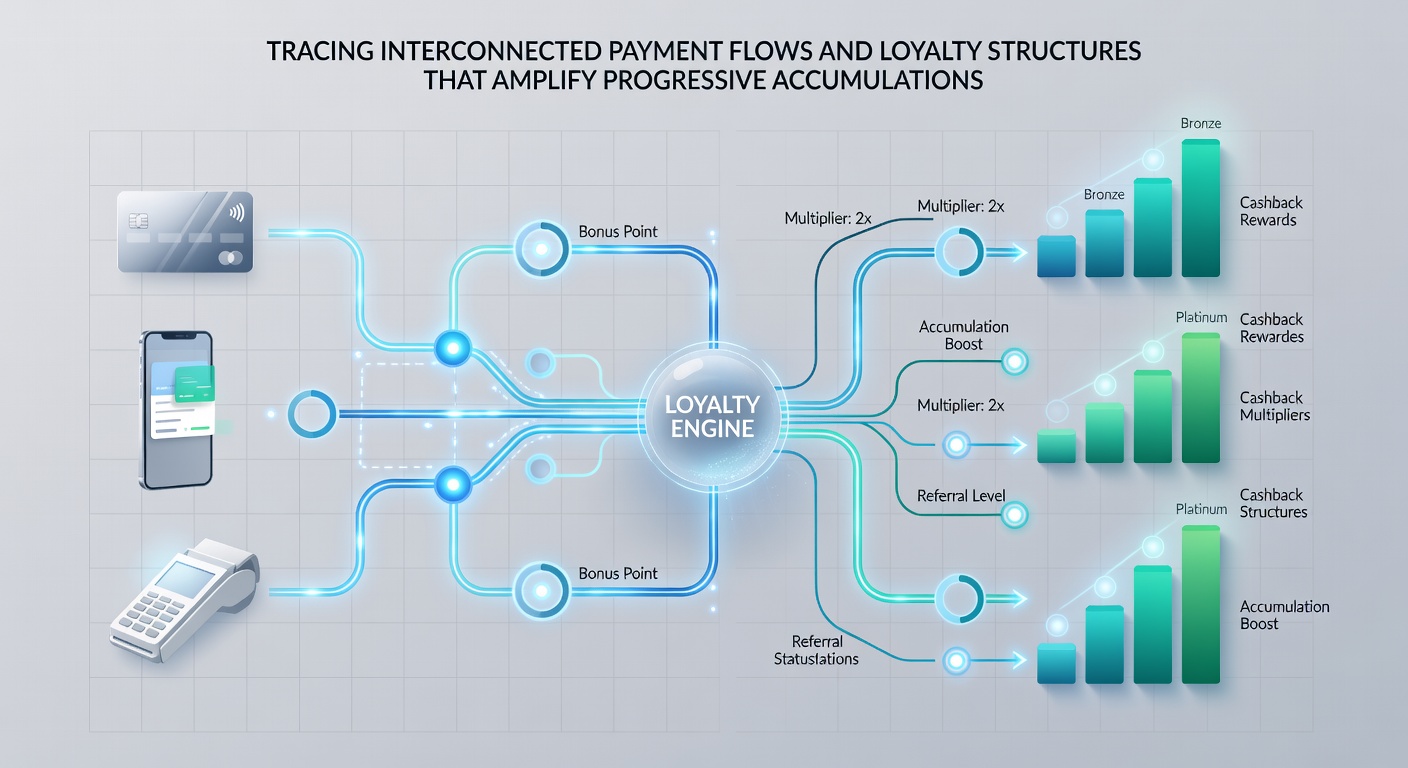
As of May 2026, several hybrid operators have expanded these systems to include predictive analytics that forecast accumulation rates based on current transaction patterns, allowing for dynamic adjustments to loyalty rewards. Observers note that such updates coincide with regulatory shifts in various regions, where bodies like Australia's state gaming authorities have emphasized transparent reporting on how payments flow into progressives. Players who reach advanced tiers frequently discover their activity influences not just personal rewards but also the velocity at which shared pools expand, adn case examples from integrated venues illustrate this through documented spikes following major promotional periods.
Interconnections Driving Progressive Growth
Progressive accumulations gain momentum when payment flows and loyalty structures intersect at key points, such as during live events that sync with online leaderboards or when mobile deposits trigger immediate tier upgrades. Figures released by research institutions reveal that hybrid models can see contribution rates climb by double-digit percentages when loyalty incentives align with real-time transaction processing. Yet the underlying architecture relies on standardized protocols that prevent fragmentation, ensuring every linked action adds to the total rather than dissipating across disconnected systems.
One study revealed that venues employing unified loyalty cards across physical and digital spaces recorded steadier progressive growth compared to siloed operations, and this holds particularly true during peak periods when transaction volumes surge. Those monitoring industry trends point out that the addition of features like instant cashback converted into progressive contributions further tightens these connections, creating feedback loops that sustain momentum even as individual sessions vary in length or intensity.
Conclusion
Overall, the tracing of these interconnected payment flows and loyalty structures shows how they collectively amplify progressive accumulations by channeling activity into shared systems that reward continuity and scale. Evidence from ongoing reports continues to highlight measurable outcomes in hybrid environments, where integration depth correlates directly with pool expansion rates through May 2026 and beyond. Operators and analysts alike continue to refine these frameworks based on transaction data and loyalty metrics, maintaining the pathways that support growing jackpots across blended platforms.